
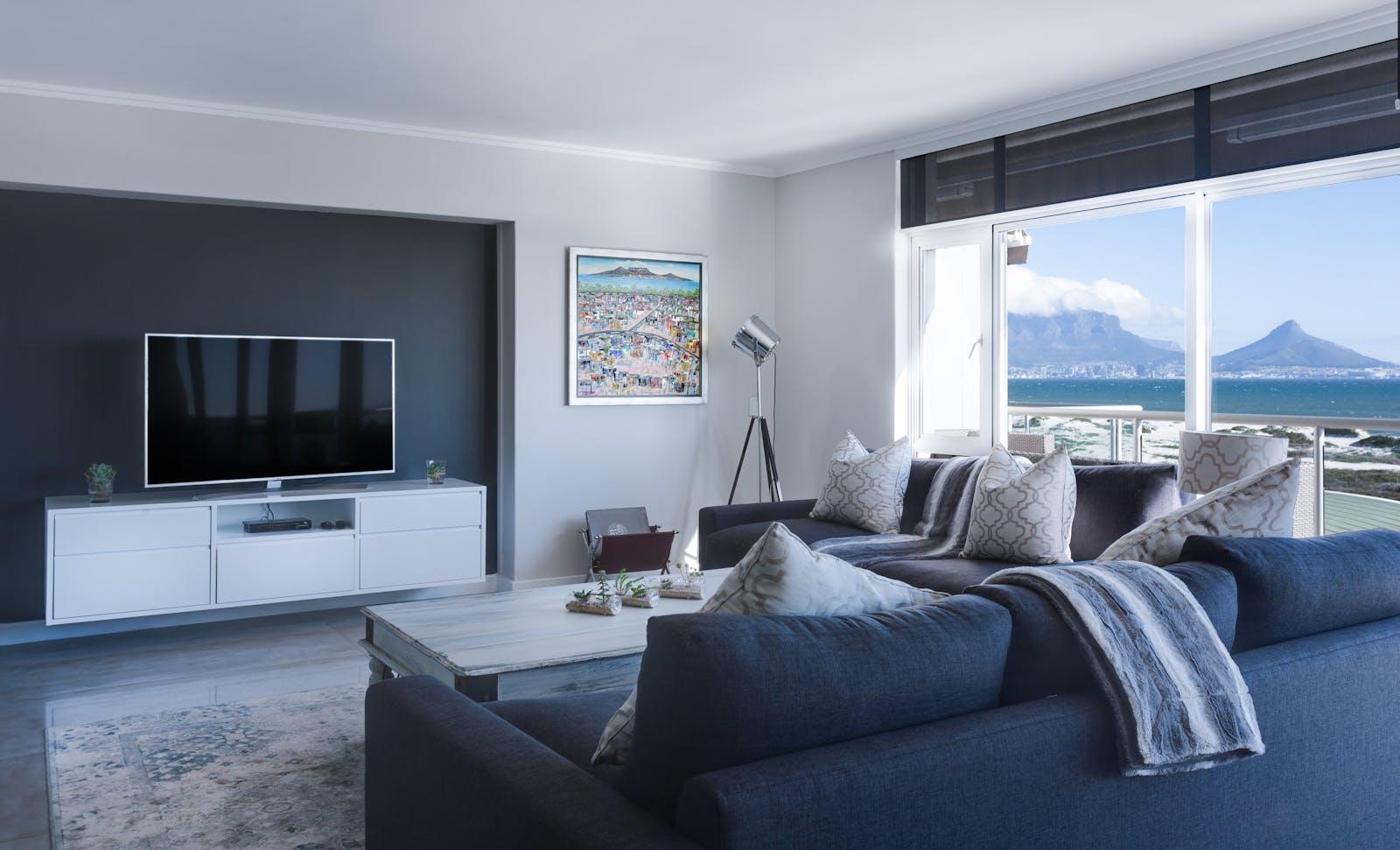
If you own a home in Colfax, Auburn, Meadow Vista, Foresthill, or anywhere along the I-80 Sierra Foothill corridor and your west-facing windows feel like a wood stove from 3pm onward in July, solar control window film is almost certainly the right next move — before you start pricing replacement windows. The right film, applied to the right glass, cuts solar heat gain coefficient (SHGC) on a typical clear dual-pane from 0.78 down into the 0.25-0.35 range, blocks 99% of UV, and runs $5-$15 per square foot installed. The same energy outcome from full window replacement runs $800-$1,500 per opening and a multi-week project. The math is rarely close.
I'm John, owner of Colfax Glass. We have been installing windows, glazing, and aftermarket film across Colfax, Auburn, Meadow Vista, Applegate, Foresthill, Grass Valley, and the broader Sierra Foothills for 25-plus years. The west-facing summer-heat call comes in every June and July like clockwork, and it has gotten worse as the regional summer baseline has crept up — the National Weather Service Sacramento office has logged 100°F+ days in Auburn and Colfax more frequently across the last five summers, with the late-afternoon solar angle in July dropping to roughly 35-40° above the horizon by 5pm, which is exactly the geometry that punches sun deep into a west-facing window for two to four hours straight.
This guide is specifically about solar control film for west-facing residential glass in Sierra Foothill climates — not security film, not privacy film, not decorative film. If you got here looking for break-in protection or smash-and-grab resistance, read our security window film for Sierra Foothills homes guide instead; that is a different product category with different physics and a different price band. This post is about heat rejection, the three film chemistries that deliver it, the SHGC math you should run before buying, and the foothill-specific factors that change the picture.
TL;DR: For Sierra Foothill west-facing windows, ceramic solar control film (3M Prestige, LLumar Pinnacle, Vista V-Kool) is the right answer in 2026 for most homes — it cuts SHGC from ~0.78 to ~0.30, blocks ~50% of total solar energy, keeps 50-70% visible light transmission so rooms still feel bright, blocks 99% of UV, and runs $10-$15/sq ft installed. Cheaper dyed films save $5-$8/sq ft but fade purple in 4-7 years and have to be replaced. Metalized films work but block cell and Wi-Fi signal — a real problem on parcels with marginal AT&T/Verizon coverage (most of the foothills above 2,500 ft). Film vs. replacement: film pays back in 3-6 years on a 105°F-summer west-facing wall; full window replacement pays back in 12-20 years. Pick film first, replacement second. Get a Colfax window film quote.
Why West-Facing Sierra Foothill Windows Cook in Summer
The west-facing summer heat problem is geometry plus glazing physics plus air temperature, stacked together at exactly the wrong time of day. From roughly 3pm to 7pm in June and July in the Sierra Foothills, three things happen simultaneously, and any one of them alone would be a problem.
First, the solar angle drops. The sun in Colfax (latitude 39.1°N) at solar noon in July sits about 74° above the horizon — almost straight overhead, where standard roof overhangs and eaves shade the window glass well. By 4pm, the sun has dropped to roughly 50°. By 5pm, it is at 38°. By 6pm, it is at 25°. Below about 40°, the sun is no longer being shaded by any reasonable roof overhang — it is hitting the west-facing glass directly, at a near-perpendicular angle, and dumping radiant solar energy into the room behind it.
Second, the air temperature peaks. The NWS Sacramento Forecast Office reports summer afternoon highs in Auburn averaging 95-100°F in July, with multi-day 100-105°F heat waves running 8-12 days per summer in recent years. The Colfax microclimate, 800 feet higher and slightly cooler, still routinely hits 92-98°F on the same days. The thermal mass of the home — exterior walls, slab, framing — has been absorbing heat all day, so by the time the west-facing solar load hits at 4pm, the building envelope is already saturated and has nowhere to dump the new heat except inside.
Third, the glass itself does almost nothing to stop solar heat gain on its own. A standard clear single-pane window has an SHGC of approximately 0.86 — meaning 86% of the solar energy hitting the glass passes through into the room as heat. A clear dual-pane (no Low-E coating, no tint, no film) has an SHGC of approximately 0.76. A standard Low-E dual-pane in a Northern California climate-zone spec runs SHGC 0.40-0.50, which is better but still allows 40-50% of incident solar energy through. Multiply any of those numbers by 200-400 watts per square meter of late-afternoon solar irradiance, by the square footage of a 4-foot-by-6-foot west-facing window, by two to four hours of exposure, and the BTUs add up fast.
The practical effect: a Colfax living room with two 24-square-foot west-facing windows and no shading is absorbing roughly 4,000-6,000 BTU/hour of solar heat from 3-7pm in July. That is roughly equivalent to running a 1,500-watt space heater on full blast for four hours straight, inside your living room, every summer afternoon. Your air conditioner is fighting that load on top of the ambient 100°F outdoor temperature. No wonder the room is uncomfortable and the electric bill is brutal.
- July 5pm sun angle in Colfax: ~38° above horizon — below most eave shading
- Auburn July afternoon high: 95-100°F average, 100-105°F in heat waves
- Clear single-pane SHGC: ~0.86 (lets 86% of solar energy through as heat)
- Clear dual-pane SHGC: ~0.76 (lets 76% through)
- Standard Low-E dual-pane SHGC: 0.40-0.50 (still 40-50% solar transmission)
- Typical west-facing room solar load: 4,000-6,000 BTU/hour for 4 hours daily
How Solar Control Window Film Actually Works
Solar control window film is a thin (1.5-4 mil typical) multilayer polyester (PET) film with an adhesive layer on one side and either a metallic, ceramic, or dyed solar-rejection layer embedded in the film body. It is applied to the interior surface of the window glass after a wet-soap installation and cures over 7-30 days as the mounting solution evaporates through the film. The film does three jobs at once.
The first job is reflecting incident solar energy. Metallic and ceramic layers reflect a portion of the incoming solar radiation back through the glass before it ever enters the room. Total Solar Energy Rejected (TSER), the headline performance number on every film spec sheet, is the percentage of incident solar energy that does not make it through the filmed assembly. Top-tier ceramic films hit 60-65% TSER. Mid-tier ceramic and metalized films hit 45-55%. Entry-level dyed films hit 30-40%.
The second job is absorbing solar energy in the film body and re-radiating it as long-wave heat. A portion of the solar energy that does not get reflected gets absorbed by the film, heats the film up by 20-40°F above ambient, and is then dissipated — partly back outward, partly inward as long-wave thermal radiation. The split between outward and inward dissipation depends on the film type. Low-E retrofit films (a newer category) add a thin Low-E coating to the interior side of the solar film, which reduces inward thermal re-radiation by 30-50% — essentially adding Low-E performance to a clear dual-pane window without replacing the glass.
The third job is blocking UV. Every reputable solar control film blocks 99% or more of UV-A and UV-B regardless of the visible tint level. This is the strongest single argument for film on any window regardless of solar heat gain — UV is what fades hardwood floors, leather furniture, fabric upholstery, and artwork. A west-facing room with 4 hours of afternoon UV exposure every summer day will discolor a hardwood floor in 18-36 months without film. With film, the same floor lasts 15-25 years before any UV-related discoloration is visible.
The practical SHGC math on a typical clear dual-pane window (initial SHGC ~0.76): apply a top-tier ceramic film (3M Prestige 70 or equivalent) and the effective assembly SHGC drops to approximately 0.30-0.32. Apply a mid-tier metalized film and the SHGC drops to 0.28-0.34 with a more reflective external appearance. Apply an entry-level dyed film and SHGC drops to 0.45-0.55 — meaningful but not transformative. The right film cuts solar heat gain by roughly 55-65% on the windows it is applied to.
Pro Tip: When a window film installer quotes you a film by brand and trade name, ask for the specific NFRC or manufacturer-published SHGC, VLT (visible light transmission), and TSER numbers for the film applied to YOUR glass type — not the film alone. The film performance changes when stacked with single-pane vs. dual-pane vs. Low-E glass. A reputable installer will pull the manufacturer's combined-assembly performance chart and walk through the actual SHGC drop on your specific windows. If the rep can only quote film-alone numbers, the spec is incomplete and the savings projection is unreliable.
| Window Assembly | Visible Light Transmission | SHGC | Total Solar Energy Rejected | UV Block |
|---|---|---|---|---|
| Clear single-pane (baseline) | ~90% | 0.86 | 14% | ~25% |
| Clear dual-pane (no film) | ~78% | 0.76 | 24% | ~30% |
| Low-E dual-pane (Climate Zone 11/12 spec) | ~70% | 0.40 | 60% | ~85% |
| Clear dual-pane + dyed film | ~45-65% | 0.50 | 50% | 99% |
| Clear dual-pane + metalized film | ~30-55% | 0.32 | 68% | 99% |
| Clear dual-pane + ceramic film (3M Prestige 70) | ~68% | 0.30 | 70% | 99.9% |
| Clear dual-pane + low-E retrofit film | ~65% | 0.28 | 72% | 99.9% |
Ceramic vs. Metalized vs. Dyed: The Three Film Chemistries
Almost every residential solar control film on the 2026 market falls into one of three chemistry categories — ceramic, metalized, or dyed — with low-E retrofit films emerging as a fourth premium tier. The chemistry determines the price, the appearance, the performance ceiling, the longevity, and a few practical foothill-specific issues like cell signal interference. Pick the chemistry first, then the brand, then the specific product line.
Dyed films are the budget entry tier. A polyester base film is impregnated with organic UV-absorbing dyes that absorb visible and near-infrared solar radiation. They are the cheapest to manufacture, the cheapest to install ($4-$8 per square foot installed on residential glass), and the lowest-performing. SHGC drops to 0.45-0.55 on a clear dual-pane, TSER hits 30-40%, and the films appear dark from inside and out. The fatal weakness: dye stability. Within 4-7 years of west-facing sun exposure in the Sierra Foothills, the dyes break down and the film turns from neutral gray to purple, then to a brown-purple, with visible streaking. The film also delaminates at the corners and bubbles. Most reputable foothill installers no longer recommend dyed films for west-facing residential glass for exactly this reason — the homeowner is paying for film twice in a decade.
Metalized films are the mid-tier. A thin layer of aluminum, copper, or nickel-chrome alloy is sputter-deposited on the polyester base, creating a mirror-like reflective layer that bounces solar energy back through the glass. SHGC drops to 0.28-0.34 on clear dual-pane, TSER hits 45-55%, and the films have a slight to noticeable exterior reflectivity (the silver or bronze tint visible from outside). Pricing is $7-$11 per square foot installed. The two practical issues are cell signal attenuation and corrosion. Metalized films can block cell, Wi-Fi, and GPS signal by 10-30 dB — meaningful enough that homeowners on marginal AT&T or Verizon coverage in the Sierra Foothills (which is most parcels above 2,500 feet) report dropped calls inside the house after install. The metal layer is also vulnerable to oxidation over 10-15 years, especially in coastal or humid microclimates; the foothills are dry enough that this is rarely an issue but worth knowing.
Ceramic films are the premium tier and the right answer for most Sierra Foothill west-facing applications in 2026. A multilayer ceramic nanoparticle coating is deposited on the polyester base — typically titanium nitride, indium tin oxide, or proprietary ceramic blends. SHGC drops to 0.28-0.32 on clear dual-pane, TSER hits 55-65%, and the films are nearly transparent with no exterior reflectivity and high visible light transmission (50-70%). Pricing is $10-$15 per square foot installed for top-tier products like 3M Prestige Series, LLumar Pinnacle Series, Vista V-Kool, or Solar Gard Sentinel ceramic. The ceramic chemistry does not interfere with cell or Wi-Fi signal, does not fade purple, and carries 15-year manufacturer warranties from the major brands when professionally installed. The cost premium over metalized films is $3-$5 per square foot — typically $150-$400 on a whole-west-wall film project — and that premium delivers measurably better aesthetics, longevity, and signal compatibility.
Low-E retrofit films are the newest premium tier and are worth specific consideration. 3M Thinsulate, V-Kool, and Eastman SunTek all offer low-E retrofit films that combine ceramic solar control with a thin low-emissivity coating on the interior face. The result on a clear dual-pane window is SHGC 0.26-0.30 plus a wintertime heat-retention benefit comparable to upgrading from clear dual-pane to Low-E dual-pane — without replacing the window. Pricing runs $14-$20 per square foot installed. For a homeowner who wants both summer cooling savings and winter heating savings out of the same retrofit, this is the most cost-effective single intervention on the 2026 market. The performance gain over standard ceramic film is modest (5-10% additional TSER), but the year-round dual-season benefit is the differentiator.
- Dyed film: $4-$8/sq ft, SHGC ~0.50, fades purple in 4-7 years — avoid for west-facing
- Metalized film: $7-$11/sq ft, SHGC ~0.32, can block cell/Wi-Fi signal 10-30 dB
- Ceramic film (3M Prestige, LLumar Pinnacle): $10-$15/sq ft, SHGC ~0.30, no signal block
- Low-E retrofit film: $14-$20/sq ft, SHGC ~0.28 plus winter Low-E benefit
- Brand warranty (ceramic): 15 years lifetime residential, transferrable on most lines
- Right pick for foothills west-facing: ceramic or low-E retrofit film, every time
Window Film vs. Full Window Replacement: The Payback Math
The standard contractor reflex on west-facing summer heat is to quote full window replacement — and for some homes that is the right call. But for the majority of Sierra Foothill homeowners with functional dual-pane windows that just lack adequate solar control, film delivers 60-80% of the energy benefit at 10-15% of the cost. The payback math, run honestly, makes the decision for you.
The baseline scenario: a Colfax home with four west-facing windows totaling 80 square feet of glass, existing as clear dual-pane (no Low-E coating, SHGC ~0.76), supporting a living room and dining room behind them. Summer cooling cost attributable to west-facing solar gain runs approximately $180-$280 per year (rough estimate based on a 3-ton AC running an extra 3-4 hours daily in July-August at PG&E E-1 residential rates).
Option 1: Solar control ceramic film on all four windows. 80 sq ft at $12 per square foot installed = $960. SHGC drops from 0.76 to 0.30, cutting solar gain by ~60%. Cooling cost savings: $108-$168 per year. Simple payback: 5.7 to 8.9 years. The film is warranted for 15 years; the realistic service life is 12-20 years before the optical quality degrades enough to consider replacement. Net lifetime savings: $1,300-$2,500 after recovering the install cost.
Option 2: Full replacement with Low-E dual-pane windows (argon-filled, warm-edge spacer, Climate Zone 11/12 spec). 4 windows at $900-$1,300 per opening installed = $3,600-$5,200. SHGC drops from 0.76 to 0.40, cutting solar gain by ~47%. Cooling cost savings: $85-$130 per year. The replacement also delivers wintertime heating benefits (~$60-$100 per year on PG&E gas at Sierra Foothill heating loads) and a small window-quality and noise-reduction benefit. Total annual savings: $145-$230. Simple payback: 16-36 years. Realistic service life of new windows: 20-30 years with the warm-edge spacer and elevation-appropriate IGU spec, which the argon vs. krypton gas-filled windows guide covers in detail.
Option 3: Replacement plus film (the maximum-performance path). Full Low-E replacement plus ceramic film on the same west-facing openings = $4,560-$6,160 total. SHGC drops to 0.20-0.25. Annual savings $200-$300. Payback 15-30 years. Rarely justified by energy savings alone, but legitimate when comfort, UV protection, and noise reduction are all priorities.
The answer for most Sierra Foothill homes: film first on west-facing windows, replacement later when the windows themselves are at end of life (failed seals, frame rot, structural issues). For homes with single-pane original glass or failed dual-pane IGUs, replacement jumps ahead — see our glass-only vs. full window replacement guide for the diagnostic logic. For homes with functional dual-pane glass and a west-facing summer-heat complaint, film is the right move.
| Solution | Upfront Cost (80 sq ft) | Annual Savings | Simple Payback | Service Life |
|---|---|---|---|---|
| Ceramic solar film only | $800-$1,200 | $108-$168 | 5-9 years | 12-20 years |
| Low-E retrofit film only | $1,120-$1,600 | $140-$210 | 5-8 years | 15-20 years |
| Full Low-E replacement | $3,600-$5,200 | $145-$230 | 16-36 years | 20-30 years |
| Replacement + ceramic film | $4,560-$6,160 | $200-$300 | 15-30 years | 20-30 years |
| Do nothing (baseline) | $0 | -$180 to -$280 | N/A | N/A |
Visible Light Transmission: The Tradeoff Nobody Talks About Upfront
Solar control film cuts solar heat gain by blocking, reflecting, or absorbing solar energy — and a portion of that energy is in the visible spectrum, which means film also cuts visible light transmission (VLT). The tradeoff is real and worth understanding before signing a quote. A west-facing living room with 80 sq ft of windows that drops from 78% VLT (clear dual-pane) to 30% VLT (cheap metalized film) is going to feel noticeably darker, especially on overcast December afternoons when natural light is already at a premium.
The VLT-to-SHGC tradeoff is governed by the light-to-solar-gain ratio (LSG), sometimes called Light-Solar Gain or selectivity. LSG is calculated as VLT divided by SHGC, with higher numbers indicating a film that lets more visible light through per unit of solar heat blocked. A clear dual-pane window has an LSG around 1.03 (VLT 78% / SHGC 0.76). A top-tier ceramic film stacked on the same window achieves LSG around 2.27 (VLT 68% / SHGC 0.30) — meaning the filmed assembly transmits twice as much visible light per unit of solar energy as the base window. That is the technical reason ceramic films feel bright while still cutting heat dramatically; the chemistry is selectively rejecting near-infrared (heat) while preserving visible light.
Metalized films deliver LSG around 0.94-1.50 — better than the base glass but with noticeable darkening from inside. Dyed films deliver LSG around 0.81-1.20 — barely better than the base glass at light selectivity, plus a darker, more noticeable interior tint. The practical effect for a Sierra Foothill homeowner: ceramic films are visually nearly invisible from outside and only mildly tinted from inside, while metalized films give the house a noticeably reflective exterior appearance (the bronze or silver mirror effect from the street), and dyed films make rooms feel darker overall.
Three practical VLT guidelines for foothill homes. First, do not go below 50% VLT on any room with significant view value (panoramic Sierra views, valley views, downtown views) — anything darker than 50% noticeably degrades the view quality and the natural light. Second, do not go below 35% VLT on any north-facing window — winter daylight is already scarce and aggressive tinting wastes it. Third, do not put aggressive tinting on south-facing windows if you have any passive solar heating intent in winter; the south side wants solar gain in December and January even if you are trying to cut it in July (a problem better solved with operable exterior shades or seasonal interior treatments than with permanent film). West-facing windows are where film makes the most sense, because the solar gain is purely a summer problem and the view value of the western horizon at 5pm in July is rarely the priority.
One practical foothill quirk: if your west-facing windows look out on summer wildfire smoke from the Sierra interior burn season, ceramic film's high VLT preserves the ability to monitor smoke conditions visually from inside the home — important during active fire events when you are tracking smoke direction, air quality, and evacuation timing. Heavily tinted films can obscure smoke color and density, which matters when you are making real-time air quality decisions. We have had specific foothill customers cite this as a reason to specify higher-VLT ceramic films over darker metalized alternatives.
- Light-to-Solar Gain (LSG): VLT divided by SHGC; higher = better selectivity
- Clear dual-pane baseline LSG: ~1.03
- Top-tier ceramic film LSG: ~2.27 (cuts heat without cutting light)
- Mid-tier metalized film LSG: 0.94-1.50
- Dyed film LSG: 0.81-1.20 (darkens rooms without much heat benefit)
- Foothill rule of thumb: don't drop below 50% VLT on view-priority windows
Top 2026 Solar Control Films for Sierra Foothill West-Facing Windows
Four manufacturer product lines dominate the Sierra Foothill residential solar control market in 2026: 3M, LLumar (Eastman Chemical), Solar Gard (Saint-Gobain), and Vista (Eastman Chemical). All four have authorized dealer networks in the Sacramento Valley with Sierra Foothill service area coverage. The products differ in chemistry, performance tier, warranty terms, and price.
3M Prestige Series is the most-installed premium ceramic film in our service area. The Prestige 70 (70% VLT, SHGC 0.30, TSER ~60%) is the bestseller for west-facing residential — it preserves the most visible light while still cutting solar gain dramatically, and has the least visible exterior appearance. Prestige 40 (40% VLT, SHGC 0.27, TSER ~65%) is the right call when more glare control is wanted and view value is secondary. The Prestige line carries 3M's lifetime residential warranty (transferrable to new homeowners) and consistently performs to spec across 15-20 years in foothill installations.
LLumar Pinnacle Series is the strongest direct competitor to Prestige in the ceramic premium tier. Pinnacle CTX 70 (70% VLT, SHGC 0.31, TSER ~60%) matches Prestige 70 closely on every metric and is typically $0.50-$1.50 per square foot cheaper installed. LLumar's installer network in the Sacramento Valley is broader than 3M's, which sometimes makes scheduling faster. The warranty terms are equivalent — lifetime residential, professional installation required for warranty validity.
Solar Gard Sentinel and Quantum ceramic series occupy the same price band as LLumar Pinnacle. Sentinel Plus (45% VLT, SHGC 0.30, TSER ~62%) is a strong mid-range pick. Solar Gard is owned by Saint-Gobain and tends to have a stronger commercial-installation reputation than residential, but the residential products are sound and the warranty terms are standard.
Vista V-Kool is the premium pick when ceramic clarity matters most — V-Kool 70 has extremely high visible light transmission and is nearly optically invisible from outside, which homeowners with view-priority west-facing glass appreciate. Pricing runs $1-$3 per square foot above Prestige 70 installed. V-Kool's manufacturer is Eastman Chemical (same parent as LLumar), and the warranty terms are equivalent.
For low-E retrofit films, 3M Thinsulate Climate Control 70 is the dominant residential product in 2026 — combining 3M Prestige's ceramic solar control with a low-emissivity coating that delivers winter U-factor improvement comparable to upgrading from clear dual-pane to Low-E dual-pane. Pricing is at the top of the residential film market ($16-$20 per square foot installed), but the dual-season benefit (summer SHGC drop plus winter heat retention) is unique and justifies the premium for homeowners on PG&E electric heating or in colder higher-elevation foothill homes (Foresthill, Alta, ridge parcels above 3,000 ft).
Avoid the discount big-box and DIY-grade films sold at Home Depot, Lowe's, and Amazon. These are typically dyed or low-quality metalized films with no manufacturer warranty when self-installed, performance specs that fall well short of professional ceramic film, and a 3-5 year service life before fading or delamination. The labor cost to remove and replace a failed DIY film is often higher than the original install of a professional ceramic film would have been.
Pro Tip: When you get quotes from window film installers, ask three questions before signing. First: which specific product line and SKU are you installing (e.g., "3M Prestige 70" not "3M ceramic")? Second: what is the warranty document, and is it transferrable if I sell the house? Third: is the installer a manufacturer-authorized dealer for the specific product line, and can they show the certification? Manufacturer warranties only apply to films installed by authorized dealers — a non-authorized installer using genuine product still voids the warranty.
Sierra Foothill Quirks: Wildfire Smoke, Removal Cycles, and IGU Compatibility
Three foothill-specific factors change the window film conversation in ways that suburban Sacramento or coastal California installers don't always anticipate. Understand them before signing, because they affect both performance and warranty.
Wildfire smoke residue is the first quirk. Sierra Foothill summers from 2018 onward have brought 2-6 weeks of significant smoke exposure per year from interior Sierra wildfires (Mosquito Fire, Camp Fire fallout, Caldor, Dixie, and the cumulative smaller fire complexes). Smoke particulates and combustion residues deposit on window glass and, if film is installed on the interior, on the interior face of the glass under the film. The films themselves are not damaged by smoke exposure — the ceramic, metalized, and dyed layers are chemically stable against wood-smoke compounds — but interior-side film installations need annual or biannual cleaning to maintain optical clarity. The clean-side residue (homeowner-side surface of the film) is no different than cleaning the original glass; standard window cleaner and microfiber works. The dirty-side residue (between film and glass) is locked in until the film is replaced. For homes in high-smoke years, this is a real annual maintenance consideration. Exterior-mounted solar control films are an option for severe cases — but exterior films have shorter service life (8-12 years vs. 15-20 interior) and are not commonly specified for residential.
IGU compatibility is the second quirk. Solar control film applied to the interior of a dual-pane or triple-pane insulated glass unit changes the thermal load on the IGU — the film absorbs solar energy, heats the inner pane, and stresses the IGU's perimeter seal. Most major film manufacturers (3M, LLumar, Solar Gard, Vista) explicitly warrant their products on dual-pane glass when installed on the interior surface of the inner pane (surface 4 in glazing terminology), with two important exceptions: the films are NOT warranted on dual-pane units less than 1 year old (manufacturer recommends waiting for IGU break-in), and they are NOT warranted on IGUs with visible signs of seal degradation, edge fogging, or desiccant migration. Our foggy double-pane window repair guide covers the seal-failure diagnostic. The take-home: get any sealed dual-pane IGU evaluated for seal health before filming it. Filming a marginal IGU accelerates its failure and voids the IGU manufacturer's warranty on top of voiding the film warranty.
Elevation and thermal cycling is the third quirk. Sierra Foothill summer-to-night temperature swings (25-35°F daily delta in Colfax, 30-40°F in Foresthill, 35-45°F in upper-elevation parcels above 3,500 ft) stress film adhesives more than coastal or valley climates. Top-tier professional films from 3M, LLumar, Solar Gard, and Vista use pressure-sensitive adhesives engineered for elevation and thermal cycling and perform within manufacturer spec across foothill conditions. Discount DIY films use simpler adhesives that fail at the corners and edges after 3-5 cycles of extreme thermal stress — another reason the cheap-film route doesn't deliver. For ridge parcels above 4,000 ft (Foresthill, Alta, upper Colfax) where the thermal cycling is most aggressive, ask the installer to specify the film's tested operating temperature range. The major brand ceramics handle -40°F to 200°F adhesive stability; budget films handle -10°F to 140°F and fail above the foothill summer interior pane temperatures of 130-170°F.
A fourth less-common but worth-mentioning quirk: removal at end-of-service-life. Professional ceramic films can be removed by a competent installer in 1-3 hours per opening with no damage to the underlying glass. Older dyed films, especially those that have failed and turned purple, are notoriously difficult to remove and can require chemical solvents that damage window seals or interior trim. Budget for $3-$8 per square foot in removal labor when the film reaches end of life, regardless of brand — and that cost is part of why investing in a 15-20 year ceramic film makes more sense than re-cycling cheap dyed films every 4-7 years.
- Wildfire smoke: doesn't damage film, but creates need for periodic cleaning
- IGU warranty: film not warranted on dual-panes <1 year old or with seal degradation
- Elevation thermal cycling: pro ceramics handle -40°F to 200°F; budget films fail
- Removal cost at end of life: $3-$8/sq ft labor for old film stripping
- Avoid filming any IGU with visible edge fogging or seal failure
- Exterior films available for severe smoke conditions but shorter service life
Mini Case Study: Two Auburn Homes, Two Different Film Picks
Two recent Auburn film projects illustrate how the right product depends on the home's specific orientation, view value, and existing glass.
The first home is a 1990s ranch off Bell Road with six west-facing windows totaling 92 square feet of clear dual-pane glass, looking out across an oak-savanna view toward the western horizon. Owner priorities were summer cooling savings and UV protection for hardwood floors, with view preservation a clear secondary concern. We installed 3M Prestige 70 ceramic film across all six west-facing openings. Total project: $1,100 installed. Measured results after the first summer: PG&E billing data showed July-August AC consumption down 18% vs. the prior summer (controlled for cooling degree days). The owner reported the room "feels normal in the afternoon now" — the late-afternoon thermal load dropped enough that the AC cycled normally instead of running continuously from 3-7pm. The hardwood floor UV damage that had been progressing for years stopped.
The second home is a 2,400-square-foot 2008 custom build on a ridge above Auburn at 1,720 feet elevation, with 14 west-facing windows totaling 168 square feet, looking across a panoramic Sierra Crest view to the east — meaning the west-facing windows looked away from the view across an east-facing yard rather than into a prized view. Owner priorities were maximum solar gain reduction, maximum UV protection, and aggressive glare control (the late afternoon sun on the west glass was hitting a wall of family photos and bleaching them). We installed LLumar Pinnacle CTX 40 ceramic film — 40% VLT for stronger glare control, SHGC 0.27 for maximum heat rejection, 99.9% UV block. Total project: $2,350 installed. Measured results: same 18-22% AC consumption reduction in summer, complete elimination of the late-afternoon glare that had been making the family room unusable from 4-7pm, and the family photos stopped fading.
The difference between the two projects was not the budget — it was the matching of VLT to the home's view priority and glare condition. The first home wanted bright rooms and view preservation, so Prestige 70 was the right pick. The second home wanted glare control over view preservation, so Pinnacle CTX 40 was the right pick. Both projects delivered the same percent SHGC drop and the same energy savings; the VLT choice was the comfort and aesthetic optimization.
Pro Tip: When you are spec'ing solar control film for a west-facing wall, do a 4-5pm afternoon walkthrough of the room in July before signing the quote. Stand where you usually sit. Look at the windows. Is the problem heat, glare, UV fading, or all three? If glare is the dominant complaint, drop the VLT to 35-50% and accept the slight room darkening. If heat is the dominant complaint and the room already feels dim in winter, hold VLT at 65-70% and let the ceramic film do the heat-rejection work. Matching the VLT to the actual symptom is what makes the install feel like a transformation vs. just a partial fix.
Common Window Film Mistakes Sierra Foothill Homeowners Make
Three patterns repeat in foothill film quotes and they cost homeowners money or performance.
First: choosing dyed films because the upfront cost is lower. Dyed films save $300-$600 on a typical west-facing project but fade purple in 4-7 years, requiring a second install. The lifetime cost (including removal of the failed film) is consistently higher than installing a ceramic film once. For any west-facing application in the Sierra Foothills, dyed film is the wrong economic answer over a 10-year ownership window. Don't take the bait.
Second: installing metalized film without checking cell coverage. Metalized films can block cell, Wi-Fi, and GPS signal by 10-30 dB. Inside a home where AT&T or Verizon coverage is already marginal (which describes most of the foothills above 2,500 feet), this can mean the difference between usable cell service in the house and dropped calls. Before installing a metalized film, walk the rooms and check signal bars. If the existing signal is 1-2 bars on a major carrier, metalized film will likely drop it to no service. Ceramic films do not have this issue.
Third: filming north-facing or east-facing windows that don't have a heat-gain problem in the first place. Some installers will quote a whole-house film job that covers all windows on principle. North-facing windows in the foothills get essentially no direct summer sun and have no solar heat gain problem to solve; filming them costs money for no benefit and slightly degrades the wintertime daylight that those windows already provide too little of. East-facing windows have a morning solar load (8-11am) that is real but shorter and at lower air temperatures than the west-facing afternoon load; whether east-facing film is worth it depends on the room's use case. The default answer for foothill solar control film is: prioritize west-facing first, south-facing second (only if not relying on passive winter solar gain), east-facing third (only for specific use cases), north-facing essentially never.
Fourth: assuming film voids warranty on all IGUs. This is partly true and partly false. Older IGU warranties from manufacturers like Pella, Andersen, and Marvin written before 2015 sometimes voided the warranty for any aftermarket film. Modern warranties (2015 onward) from major manufacturers typically allow professional film installation as long as the film is rated for the specific glass type and is installed within the IGU's first 1-year warranty break-in window. Check the specific window's warranty document before assuming film will void it; in most 2026-era windows, professionally-installed ceramic film is compatible. The best window brands for the Sierra foothills post covers brand-specific warranty positions.
- Mistake 1: Buying dyed film because it's cheaper upfront (fails in 4-7 years)
- Mistake 2: Installing metalized film without checking cell signal first
- Mistake 3: Filming north-facing windows that don't have a heat problem
- Mistake 4: Assuming aftermarket film voids IGU warranty (check current docs)
- Mistake 5: DIY install of pro-grade film (voids manufacturer warranty)
- Mistake 6: Skipping the IGU seal health check before filming dual-panes
When Window Film Is NOT the Right Answer
Solar control film solves a specific problem — excess solar heat gain through functional glass — and there are five scenarios where film is the wrong tool and replacement (or another intervention) is the right one.
First: single-pane glass. Single-pane windows have an SHGC around 0.86 baseline, drop to 0.40-0.45 with film, and still leak heat all winter at U-factor ~1.0. Filming single-pane glass cuts the summer cooling problem but does nothing for the wintertime heating loss problem, which on a Sierra Foothill home is usually a bigger annual energy cost than summer cooling. If you have single-pane original windows, the right move is replacement — see our single-pane vs. double-pane vs. triple-pane windows guide. Skip the film step and go straight to replacement.
Second: failed dual-pane IGUs (foggy, condensation between panes, visible edge degradation). Filming a failed IGU accelerates the seal degradation and voids the film warranty. The right move is glass-only replacement of the failed IGU (if the frame is functional) or full window replacement (if the frame is also compromised). After the new IGU is in place and broken in for 12+ months, film can be added at that point if solar gain is still excessive.
Third: aluminum-framed windows with significant thermal bridging. Older aluminum-framed single-pane and dual-pane windows lose so much heat through the frame itself (uninsulated aluminum is an excellent thermal conductor) that filming the glass barely moves the needle. The right move is replacement with a thermally-broken aluminum, vinyl, fiberglass, or aluminum-clad wood frame — see our window frame materials comparison for the Sierra foothills for the frame material options.
Fourth: wildfire-zone WUI compliance situations. If your home is in a High or Very High Fire Hazard Severity Zone and you are using window upgrades as part of FAIR Plan or California Wildfire Mitigation Program hardening, solar control film doesn't count toward the WUI window hardening requirements (Chapter 7A requires tempered or laminated outer-pane glass plus dual-pane construction; film doesn't satisfy either). The fire-resistant windows for WUI zones guide covers the WUI replacement spec, and the California wildfire home hardening grants for windows covers the grant programs that can fund the replacement.
Fifth: aggressive Title 24 compliance or Energy Star Most Efficient targeting on a permitted remodel. Title 24 prescriptive requirements (Climate Zone 11/12: U-factor 0.27, SHGC 0.23) are achieved through glass replacement, not film. Film can supplement a Low-E replacement window to drive SHGC even lower for comfort, but film alone on existing windows does not satisfy permit compliance on a remodel that triggers Title 24 review. See our Title 24 window compliance Placer County permits guide for the permitting framework.
Sierra Foothill Film Decision Framework
Use this framework when evaluating solar control window film for a Sierra Foothill home. Match your situation to the recommended action.
The core principle: film is the right answer when you have functional dual-pane glass, a clear west-facing or southwest-facing summer-heat problem, and you want to invest a few hundred dollars to a few thousand dollars to cut the cooling load without a full window replacement project. Replacement is the right answer when you have single-pane, failed IGUs, frame degradation, or a code-triggering remodel scenario.
We walk this decision matrix on every west-facing solar-heat quote we write. Schedule a Colfax window film and glazing consultation and we will pull the manufacturer's NFRC and combined-assembly performance data for your specific windows, walk through the film vs. replacement tradeoff, and give you a written quote with the specific product SKU, warranty terms, and expected SHGC outcome. We serve Colfax, Auburn, Meadow Vista, Applegate, Foresthill, Grass Valley, Nevada City, Penryn, Loomis, Newcastle, and the broader Sierra Foothill window service area.
| Situation | Recommended Action | Product Tier | Expected Cost |
|---|---|---|---|
| Functional dual-pane, west-facing summer heat | Ceramic solar control film | 3M Prestige 70 or LLumar Pinnacle CTX 70 | $10-$15/sq ft |
| Dual-pane, summer heat + winter heating loss | Low-E retrofit film | 3M Thinsulate Climate Control 70 | $14-$20/sq ft |
| Dual-pane, glare-priority complaint | Lower-VLT ceramic film | Prestige 40 or Pinnacle CTX 40 | $10-$15/sq ft |
| Single-pane original glass | Full window replacement | Low-E dual-pane Climate Zone 11/12 | $900-$1,500/opening |
| Failed dual-pane IGU (foggy/sealed) | Glass-only or full replacement | New IGU then film 12 months later | $300-$1,500/opening |
| Marginal cell coverage in house | Ceramic only — avoid metalized | Prestige, Pinnacle, V-Kool, Sentinel | $10-$15/sq ft |
| WUI Chapter 7A compliance project | Replacement (film doesn't qualify) | Tempered/laminated dual-pane WUI | $1,000-$1,800/opening |